
Building an off-grid cabin is one of the most rewarding projects you can take on. It’s also one where small early mistakes can cost you a lot of time and money later. After more than 40 years in construction and real estate development, I’ve seen plenty of them. Here are five worth avoiding.
1. Choosing the Land Before Doing Your Homework
It’s easy to fall in love with a beautiful piece of property, but the land decides whether your off-grid life will be easy or a constant struggle. Before you buy, check for a reliable water source, whether a well is realistic, and how much sun the site gets for solar. Look into zoning, building codes, and septic requirements, which vary widely between counties. Some areas restrict off-grid living or require permits you wouldn’t expect. Also look at road access, since a property you can’t reach in winter or with a delivery truck will cause headaches.
2. Underestimating Your Power Needs
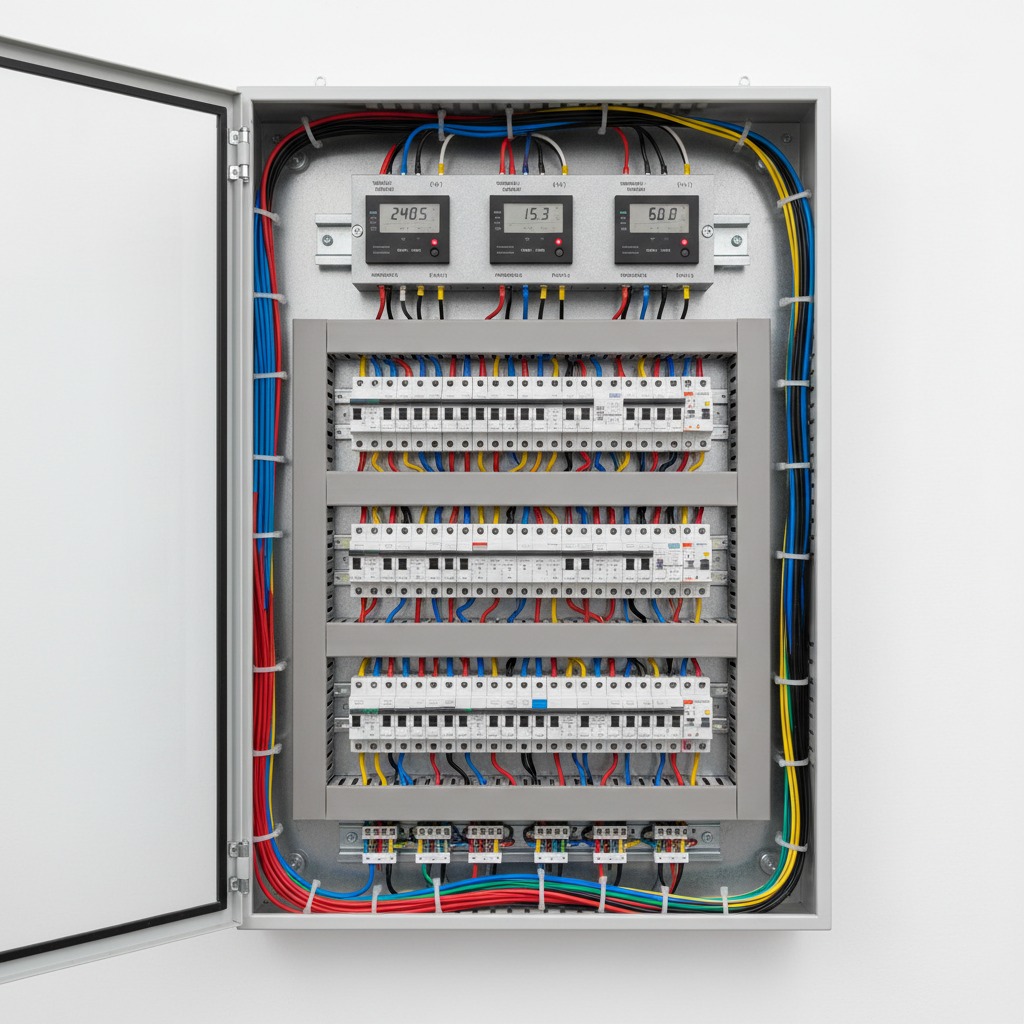
Many people buy a solar system based on what they think they’ll use, then find out it can’t keep up. Start by listing every appliance and tool you plan to run, then add up the real daily usage. Plan for cloudy weeks, not just sunny days, and build in room to expand later. It’s far cheaper to size your system correctly the first time than to rip it out and start over. Efficient appliances, good insulation, and propane or wood for heating and cooking can also take a big load off your system.
3. Skimping on Insulation and Weatherproofing
A cabin that looks great but leaks heat is expensive to live in, especially when you’re producing your own power. Good insulation, a tight building envelope, quality windows, and proper moisture control matter more than fancy finishes. This is the area where it pays to spend a little more up front. A well-built, well-insulated cabin needs less fuel, less electricity, and less maintenance for decades.
4. Ignoring Water and Waste Planning
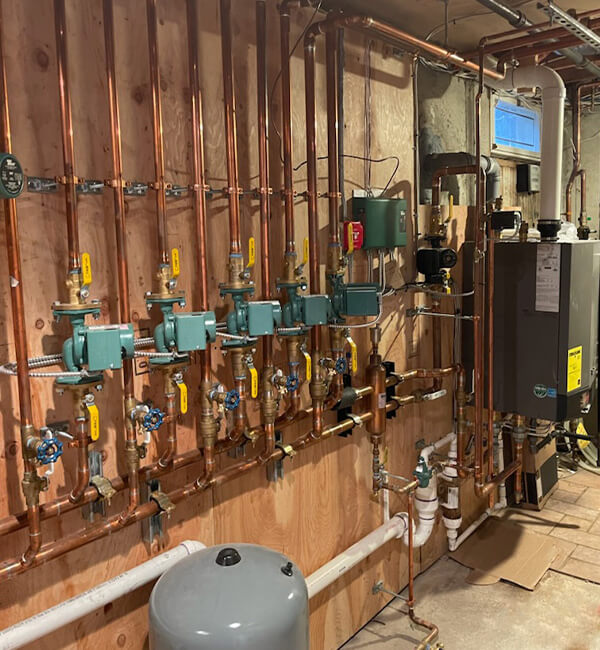
Water is the most overlooked part of off-grid building. You need to think about where your water comes from, how you’ll store it, how you’ll filter it, and where it goes afterward. Whether you use a well, rainwater collection, or both, plan the system early so your cabin layout supports it. The same goes for waste. Septic systems, composting toilets, and greywater systems all have rules and requirements, and fixing a poor setup after the cabin is built is difficult and costly.
5. Trying to Do Everything Alone
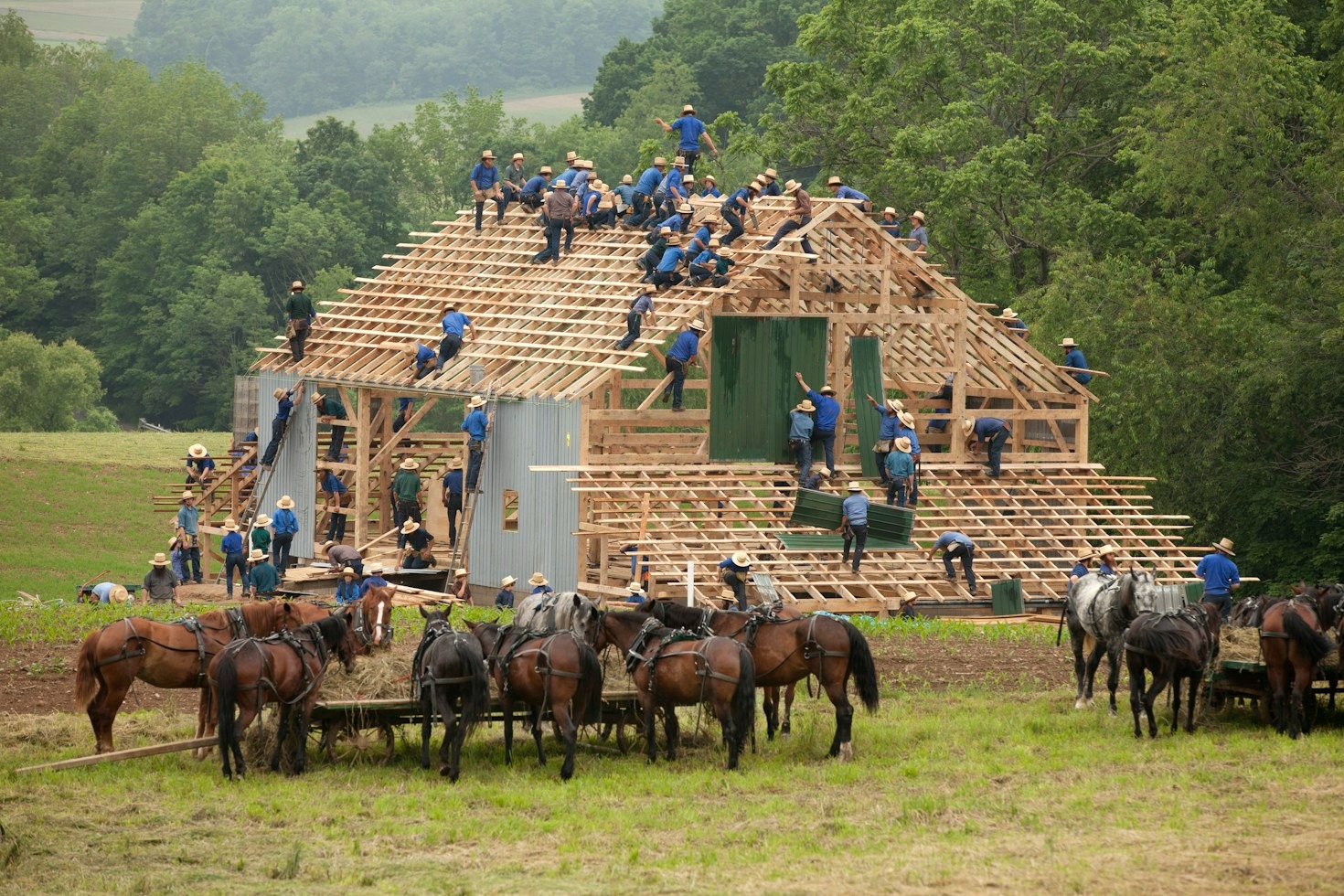
This one might be the biggest mistake of all. Off-grid building involves electrical, plumbing, carpentry, water systems, food production, and more. Very few people are an expert in all of it, and trying to learn everything at once leads to burnout, mistakes, and abandoned projects. Lean on people who have the skills you don’t, and share what you know in return. Joining or building a community makes the work lighter, the costs lower, and the whole experience more enjoyable. Nobody needs to know it all if everyone brings their own piece of the puzzle.
Final Thoughts
An off-grid cabin is absolutely within reach, as long as you plan carefully, build smart, and don’t go it alone. Avoid these five mistakes and you’ll be well on your way to a home that’s comfortable, efficient, and truly yours.
Leave a Reply